About Us

The Essence of Mountaineering

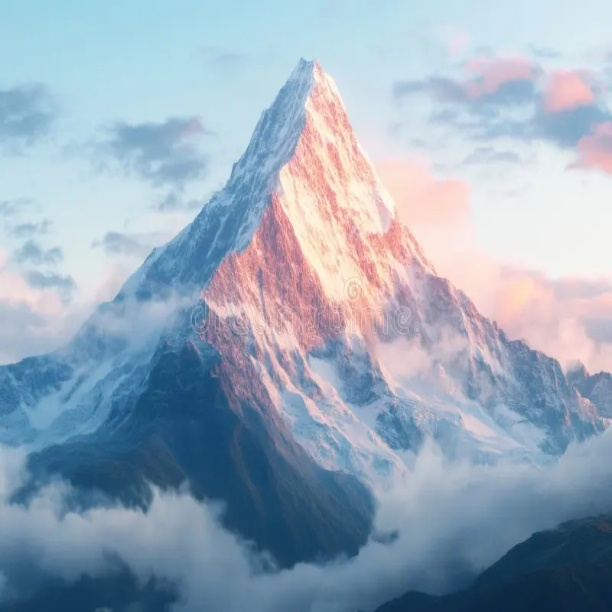
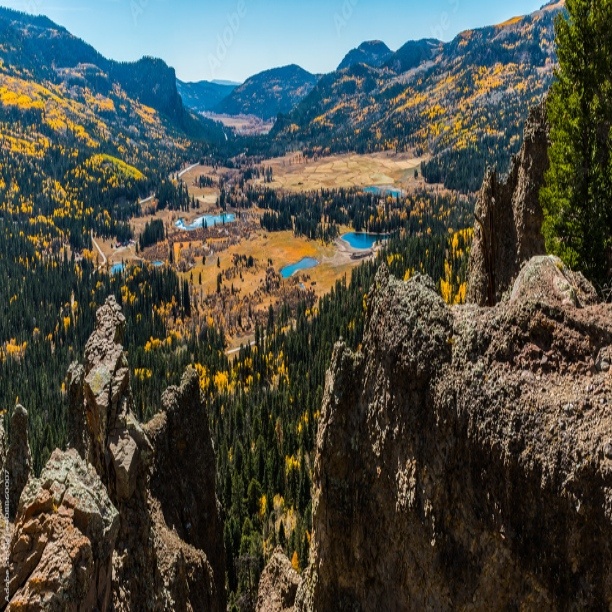
Mountaineering is the rigorous outdoor sport of reaching high points in mountainous regions, pursued primarily for the pleasure and challenge of the ascent. This activity is typically confined to locations where extreme terrain and unpredictable weather conditions present significant hazards, making prior experience essential for safety. The discipline requires a blend of physical strength and technical expertise, demanding mastery of skills like rock climbing, ice climbing, and snow travel. Climbers must be prepared for major hazards like altitude sickness, avalanches, and crevasses

Explore More
History of Mountaineering

From Alps to the Himalayas: Key Milestones

The formal practice of mountaineering began in 1786 with the first successful ascent of Mont Blanc (Europe's highest peak) by Jacques Balmat and Michel Paccard. This event marked the beginning of modern Alpinism.

The mid-19th century is known as the Golden Age of Alpinism (1854-1865), which saw the first ascents of many major Alpine peaks, culminating in the dramatic 1865 ascent of the Matterhorn.

In the 20th century, the focus shifted to the highest peaks of the Himalayas, leading to the "race for the 8000ers." The ascent of Mount Everest in 1953 by Sir Edmund Hillary and Tenzing Norgay marked a monumental milestone, transitioning the sport from a regional activity to a global challenge of extreme endurance and logistics.

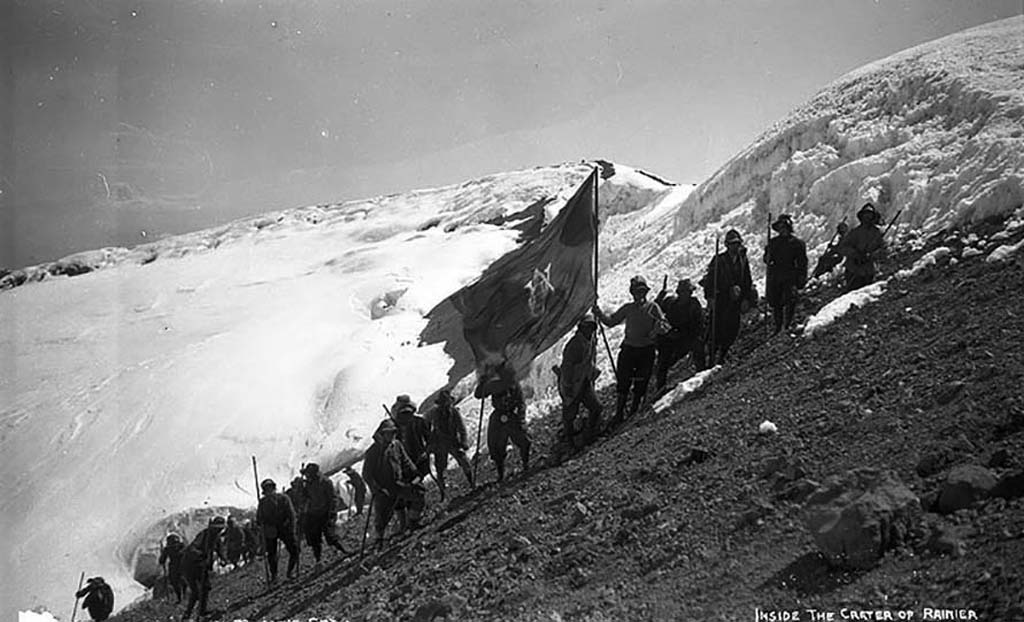
Historical image of early mountaineers
  • This is a historical photograph showing a large group of mountaineers ascending the slope of Mount Rainier in Washington State, USA.
  • The photo is from the early 20th century, likely dating between 1909 and 1925
  • The climb is taking place on Mount Rainier, likely near or inside the crater rim (as suggested by the text visible in the original image), leading to the summit known as Columbia Crest.

Types and Styles of Climbing

Mountaineering is practiced in various styles, which primarily depend on the scale of the climb, the difficulty of the route, and the philosophy the climbers adhere to. These styles dictate the gear, strategy, and overall risk taken.

Alpine Style

This is a fast and light approach, where climbers carry all their gear from start to finish with minimal fixed ropes or pre-placed camps. It emphasizes speed, efficiency, and self-sufficiency, often mimicking the style of early mountaineers but with modern gear.

Key features: Lightweight, Self-sufficient, No fixed camps, High risk, Fast Ascent.

Expedition Style

This method involves establishing multiple high-altitude camps and using fixed ropes along the route, allowing climbers to shuttle gear and acclimatize slowly. It is commonly used on the world's highest peaks to maximize safety and success rates.

Key features: Fixed ropes, Multiple camps, Slow acclimatization, Support staff, Heavy gear.

Essential Techniques

Skills Required for Safe Ascent

Mountaineering requires a high degree of technical proficiency across three main disciplines:

1. Rock Climbing & Scrambling

Using hands and feet for climbing on rocky routes, and the proper use of safety equipment like anchors and belay devices is essential.

2. Ice Climbing & Crevasse Rescue

Using specialized equipment such as ice axes, crampons, and ice screws for safe travel on glaciers and vertical ice. Knowledge of crevasse rescue is critical.

3. Snow Travel (Roping Up)

Includes the critical use of ropes and correct knots for walking on snowy slopes, performing self-arrest to prevent falls, and moving safely as a team.

Mastering knots (like Figure-Eight, Clove Hitch) and rope management is fundamental for the safety of the entire team.

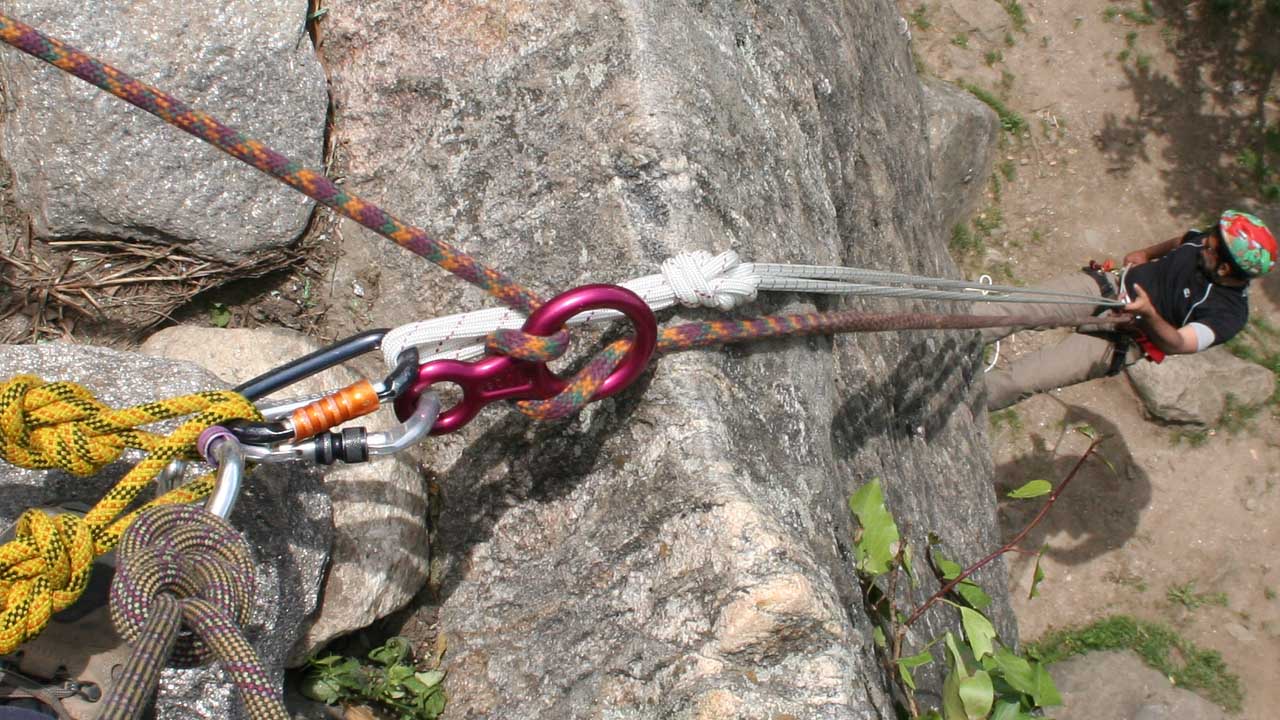
Image showing climbing techniques or rope work
  • Rappelling/Abseiling A climber is descending a steep rock face by controlling their slide down a fixed rope using a friction device (descender).
  • Securing a complex system of ropes, knots, and hardware (carabiners, protection) to the rock.
  • The system, including the ropes and descender, acts as a safety measure.
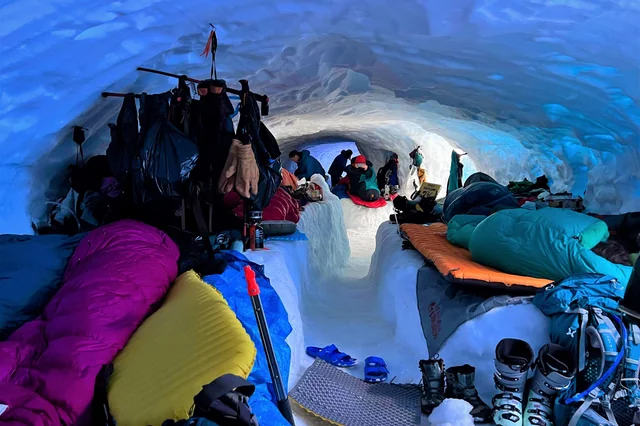
Image showing a high-altitude tent or snow cave
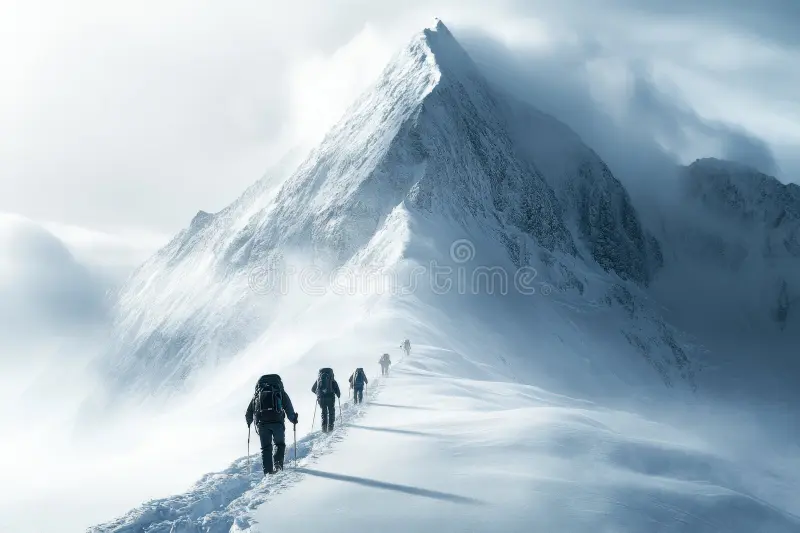
  • They are walking uphill, moving along a narrow, snowy ridge toward a major peak in the distance. This is the main objective of their journey.
  • They are demonstrating endurance by moving through deep snow, harsh winds, and limited visibility (mist/fog). They are navigating difficult, technical terrain.
  • Their large backpacks indicate they are carrying all the gear, food, and clothing necessary for a multi-day or multi-week expedition, suggesting they are self-sufficient on the mountain.

Sheltering & High-Altitude Survival

Essential High-Altitude Accommodation

Securing reliable shelter is critical for survival in mountaineering, protecting climbers from extreme cold, wind, and sudden weather changes. Sheltering methods vary based on the expedition style and terrain:

1. High-Altitude Tents (Temporary Camps)

Designed to withstand extreme winds and heavy snow loads. These lightweight, dome-style tents are essential for temporary shelter on rapid ascents (Alpine Style) or between established base camps.

2. Snow Caves / Igloos (Emergency Shelter)

A crucial survival skill, snow caves offer superior insulation and protection from the wind. They can be life-saving emergency shelters, often maintaining temperatures near freezing point even when outside temperatures are far lower.

3. Base Camps & Established Camps

On large expeditions (Expedition Style), several established camps are set up for acclimatization and gear staging. These are often more durable and equipped for extended stays at various altitudes.

Inherent Risks

Major Hazards in Mountaineering

Mountaineering is inherently dangerous due to unpredictable natural forces and the high-altitude environment. Awareness and preparation are vital to mitigate these risks:

1. Altitude Sickness (AMS, HAPE, HACE)

Caused by ascending too quickly. Symptoms range from mild discomfort (Acute Mountain Sickness) to life-threatening conditions like High-Altitude Pulmonary Edema (HAPE) and Cerebral Edema (HACE).

2. Objective Dangers (Avalanches & Rockfall)

Risks created by the environment itself. Avalanches are the deadliest hazard, requiring expert snow assessment. Rockfall is common on steep, exposed faces, often triggered by warming or ice melt.

3. Weather & Exposure

Rapidly changing weather can lead to Hypothermia (loss of body heat) or Frostbite. Fierce winds and storms at high altitude force immediate sheltering and can trap climbers.

4. Crevasses

Hidden or visible deep cracks in a glacier's ice. Roping up is the primary safety measure against the risk of falling into a crevasse.

Image showing a climber dealing with snow or weather
  • They are walking single-file along a narrow, snow-covered path, which is often called a ridge. This requires careful footwork and balance.
  • They are all wearing large backpacks, meaning they are carrying essential supplies, like food, shelter, and specialized climbing equipment, for an extended expedition.
  • Using Poles: They are using hiking or trekking poles to help with balance, stability, and distributing their weight across the slippery, uneven terrain.
  • They are pushing through heavy snow, likely cold temperatures, and limited visibility (mist/fog) to reach the summit of the mountain visible behind them.

Our Team

Experienced Team Members

M.Sufiyan Awan

Founder

Muneeba Sheikh

Veterinarian

Manahil Panhwar

Farmer